Colorado Trail Races & Ultramarathons
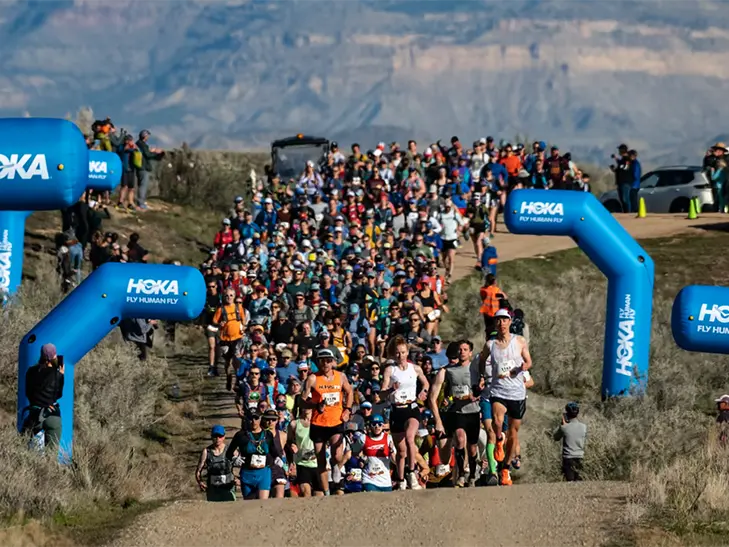
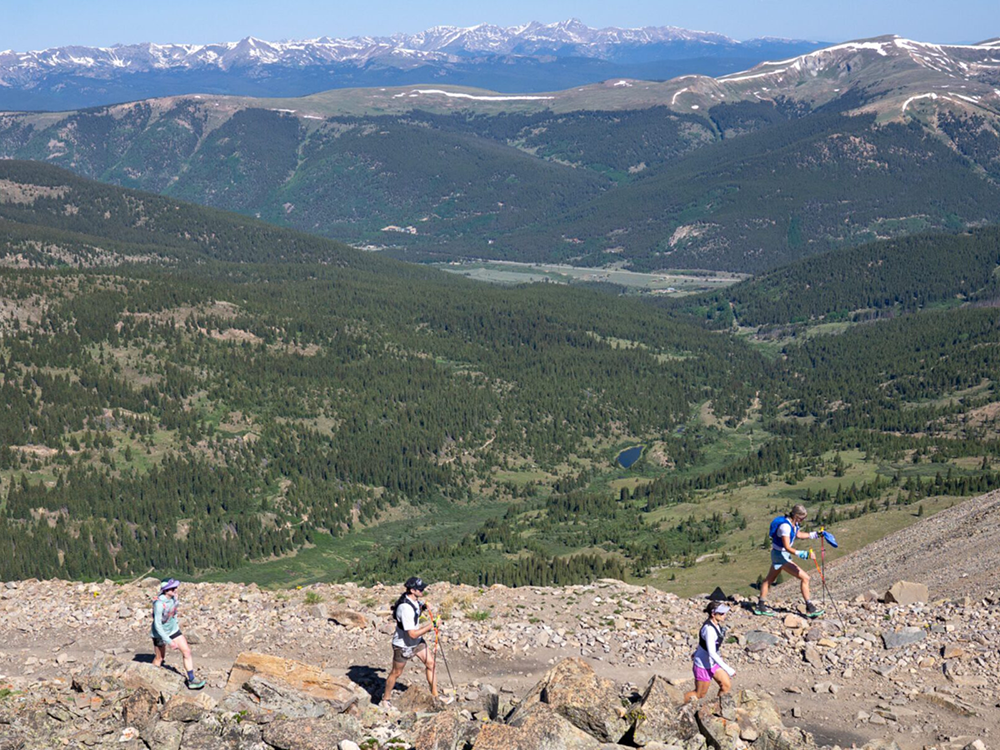
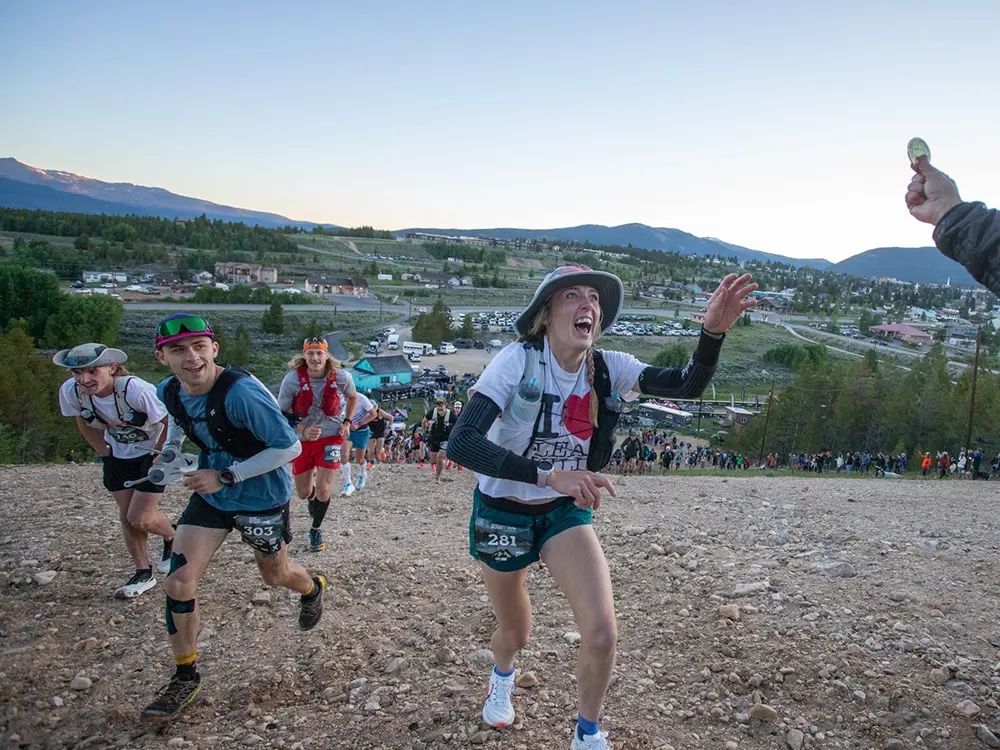
Colorado has a strong trail running races and ultramarathons calendar, ranging from the 5-mile Great Trailhead Foot Race outside Denver to the legendary Leadville Trail 100 — 100 miles with roughly 15,600 feet of climbing between 9,200 and 12,600 feet of elevation. Race season runs April through October, with the high-country events clustered in summer once mountain passes clear of snow.

Masters Athlete Insights
Colorado's trail races don't get harder because the field skews older — they get harder because the state stacks altitude on top of distance. Above about 8,000 feet, pace and heart rate stop meaning what they mean at sea level, regardless of fitness. The single highest-leverage move is arrival timing: give yourself 10–14 days to acclimatize if the race allows it, and if it doesn't, treat the first day at altitude as a deliberately easy one rather than fighting it.
The second-highest-leverage move is unglamorous: more consistent easy running and real recovery between hard sessions beats another hard long run, especially heading into a high-altitude race. We don't have a dedicated 100-mile plan yet — the 16-week 50K plan is the closest base-building structure on the site, and the 10-week maintenance program is a solid in-between-races option if Leadville or Desert Rats is more of a someday-goal than a this-year one.
FAQ
What is the best Colorado trail race for beginners?
The Great Trailhead Foot Race (5K & 10 Miler) in Lakewood is the most approachable race on this list — short distances, a low-key park course, and none of the altitude exposure of Colorado's mountain races. It's a reasonable first trail race before stepping up to longer, higher-elevation events.
Do you need to acclimatize to altitude before racing in Colorado?
Yes, for anything run above roughly 8,000 feet. Leadville's course runs 9,200–12,600 feet — high enough to affect pace, sleep, and recovery even in very fit runners. Arriving 10–14 days early gives your body time to adapt; arriving 1–3 days early is often worse than arriving race-morning, since that's the window when altitude symptoms typically peak.
When is trail racing season in Colorado?
Roughly April through October. Lower-elevation races near Fruita and Lakewood can run in spring and fall; high-country races like Leadville and Winter Park's Elevation Everest are scheduled for summer and early fall, once high passes and singletrack are reliably clear of snow.
What is the hardest trail race in Colorado?
Among the races on this page, the Leadville Trail 100 Run is the clearest test of endurance and altitude tolerance together — 100 miles, ~15,600 feet of climbing, up to 12,600 feet elevation. The Elevation Everest Race is hard in a different way: 29,032 feet of cumulative climbing in a day, matching Mount Everest's height, on repeated shorter loops.
Are there masters (40+) divisions at Colorado trail races?
Most U.S. trail and ultra races award age-group results in 5- or 10-year brackets (40–49, 50–59, and so on) rather than a single "masters" category, but exact brackets vary by race. Check each event's official rules page before you register if age-group standing matters to you.